
USDA Loans in Birmingham, AL: Your Complete Guide from Rubicon Mortgage Group
For many Birmingham-area families, the dream of owning a home doesn't stall because of income or creditworthiness — it stalls because of the down payment. Saving tens of thousands of dollars while paying rent, managing everyday expenses, and building a life is genuinely hard. And for buyers who don't know about every financing option available to them, that barrier can feel permanent.
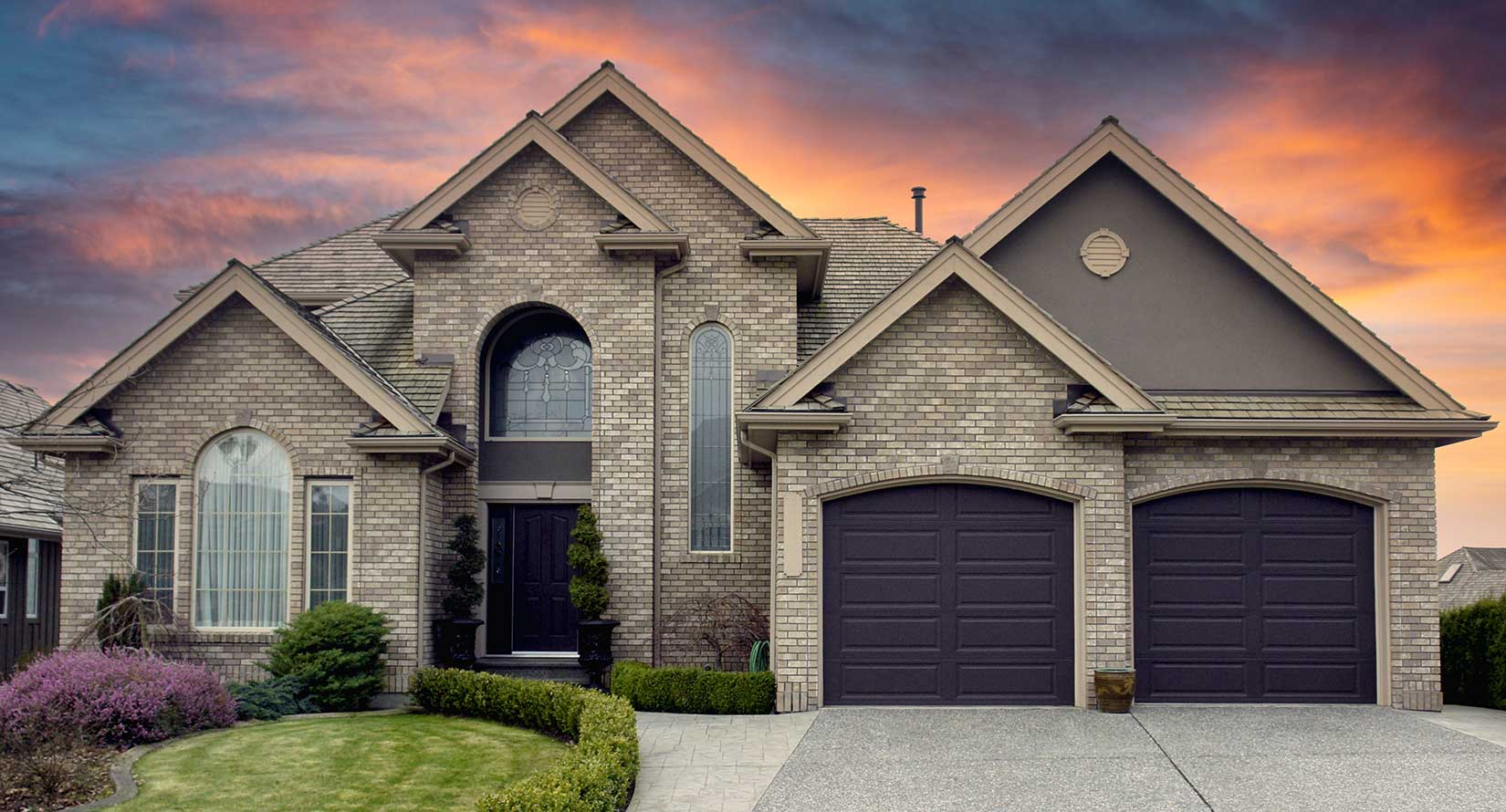
Here's what a surprising number of Alabama homebuyers don't realize: there's a government-backed mortgage program specifically designed to remove that barrier entirely — and it's available in and around Birmingham right now.
USDA loans — officially known as USDA Rural Development Guaranteed Housing Loans — offer eligible buyers the ability to purchase a home with absolutely no down payment. Zero. And that's just the headline feature. USDA loans also come with competitive interest rates, reduced mortgage insurance costs compared to other low-down-payment programs, and flexible qualification standards that make homeownership genuinely accessible for moderate-income buyers.
At Rubicon Mortgage Group, we help Birmingham-area buyers navigate USDA loan eligibility, find qualifying properties, and close on homes they love — without the financial strain of a large upfront investment. If you've never seriously explored USDA financing, this guide will change the way you think about what's possible.
What Is a USDA Loan?
The USDA loan program is administered by the United States Department of Agriculture through its Rural Development division. Despite the name, this program isn't limited to farms or remote countryside properties — far from it. It covers a wide range of suburban and semi-rural communities, many of which sit within easy commuting distance of Birmingham's employment centers.
The program's primary goal is straightforward: encourage homeownership in rural and suburban communities by making financing accessible to low- and moderate-income buyers who might not otherwise qualify for conventional mortgage products.
There are three main types of USDA home loan programs:
USDA Guaranteed Loan (Section 502 Guaranteed)
This is the most widely used USDA loan program and the one most homebuyers are referring to when they say "USDA loan." It's offered through approved private lenders — like Rubicon Mortgage Group — and backed by the USDA. Because the government guarantees a portion of each loan, lenders are able to offer favorable terms to borrowers who meet program guidelines.
Key features of the guaranteed loan program include:
- No down payment required
- Competitive fixed interest rates
- Lower mortgage insurance costs compared to FHA loans
- Available for purchase and refinance transactions
- Broad eligibility across suburban and rural areas
USDA Direct Loan (Section 502 Direct)
The direct loan program is funded and administered directly by the USDA rather than through private lenders. It's aimed at very low- and low-income borrowers and offers payment assistance to further reduce monthly costs. Income limits for direct loans are stricter than for the guaranteed program.
USDA Home Repair Loans and Grants (Section 504)
This program provides funding to low-income homeowners who need to repair, improve, or modernize their homes. It's separate from the purchase loan programs but worth knowing about if you own a home in a qualifying area that needs repairs.
For the purposes of this guide, we'll focus primarily on the USDA Guaranteed Loan — the program most Birmingham-area homebuyers will use.
USDA Loans and the Birmingham Area: What You Need to Know
One of the most common misconceptions about USDA loans is that they only apply to properties that are genuinely rural — small towns, farmland, and remote communities far removed from urban centers. That picture is outdated and incomplete.
The USDA uses property eligibility maps to determine which areas qualify for the program, and those maps include many communities that are suburban in character — well-developed, with established neighborhoods, good schools, and modern amenities — but sit just outside the official urban core designation.
In the Birmingham metropolitan area, that means significant portions of the surrounding counties may qualify for USDA financing. Communities within commuting distance of Birmingham's major employment hubs, medical centers, and commercial corridors can fall within eligible zones — making USDA loans a practical option for buyers who work in the city but prefer the space, value, and character of surrounding communities.
Areas Around Birmingham That May Qualify
While USDA property eligibility maps are updated periodically and the only definitive way to confirm eligibility is to check the current USDA map or speak with a Rubicon Mortgage Group loan officer, buyers purchasing homes in communities like the following have historically found USDA-eligible properties:
Bibb County communities — The small towns and rural stretches of Bibb County, bordering Jefferson County to the south, have substantial USDA-eligible areas. Buyers looking for land, privacy, and space often find excellent value here.
St. Clair County — Communities in St. Clair County, including areas around Pell City and Ashville, frequently fall within USDA eligibility zones. The county's blend of natural beauty and proximity to Birmingham makes it popular with buyers who want room to spread out.
Blount County — Known for its scenic landscapes and small-town character, much of Blount County qualifies for USDA financing. Oneonta and surrounding communities attract buyers looking for a quieter pace within reach of Birmingham.
Chilton County — South of Birmingham, Chilton County communities including Clanton sit within USDA-eligible zones and attract buyers who want more land for their money.
Walker County — West of Jefferson County, Walker County communities including Jasper have historically had strong USDA eligibility coverage.
Portions of Shelby and Jefferson Counties — While the urbanized cores of Shelby and Jefferson counties generally don't qualify, outlying areas and smaller communities within these counties may still be eligible depending on current USDA maps.
The critical point: don't assume a property doesn't qualify before checking. Rubicon Mortgage Group runs USDA eligibility checks as a standard part of our initial consultation — and buyers are frequently surprised to discover that properties they're already interested in fall within eligible zones.
Who Qualifies for a USDA Loan in Alabama?
USDA loan eligibility is built around three primary pillars: property location, income limits, and personal creditworthiness. Let's break each one down.
1. Property Eligibility
As discussed above, the property must be located in a USDA-designated rural or eligible suburban area. The home must also be:
- A primary residence (not a vacation home or investment property)
- A single-family dwelling (including eligible manufactured homes in some cases)
- Modest in size and value relative to the area — USDA loans aren't designed for luxury properties
- In acceptable condition or able to meet USDA property standards after purchase
Condominiums and multi-family properties generally don't qualify for USDA guaranteed loans, though there are some exceptions for condos in certain approved developments.
2. Income Limits
USDA loans are designed for low- and moderate-income borrowers. To ensure the program reaches the intended audience, the USDA sets household income limits — and importantly, these limits apply to the entire household's income, not just the borrower's.
Income limits vary by county and household size, and they're adjusted periodically. For most Alabama counties, the income thresholds are generous enough to include a wide range of working and middle-class households.
A few important notes about USDA income calculations:
All household members count. Even if a family member isn't on the loan, their income may be counted toward the household total. This is a critical detail that catches many buyers off guard.
Gross income is used. The USDA looks at gross income — before taxes and deductions — when determining eligibility.
Deductions are available. The USDA allows certain deductions from household income for qualifying expenses, including childcare costs, disability expenses, and elderly household member deductions. These can bring households that appear over the income limit into eligibility.
Rubicon Mortgage Group performs a thorough income analysis for every USDA loan inquiry — ensuring that all legitimate deductions are applied and that income is calculated correctly before drawing any conclusions about eligibility.
3. Credit and Financial Qualifications
USDA loans are often described as having flexible credit requirements, and that's generally accurate — but lenders still need confidence in a borrower's ability and willingness to repay.
Credit score: The USDA doesn't set an official minimum credit score for the guaranteed loan program, but most approved lenders — including those Rubicon Mortgage Group works with — apply their own overlays. A score in the mid-600s is a commonly referenced threshold, though borrowers with higher scores will have an easier path to approval and may access better terms.
Credit history: Lenders look beyond the score to the overall pattern of credit behavior. Recent late payments, collections, or derogatory accounts can complicate USDA approval even if the score is technically sufficient. Conversely, borrowers with limited credit history — thin files rather than bad files — sometimes have more flexibility under USDA guidelines than they would with conventional or FHA lenders.
Debt-to-income ratio (DTI): Your total monthly debt obligations — including the proposed mortgage payment — should fall within acceptable DTI thresholds. The USDA has standard DTI guidelines, though lenders have some flexibility for borrowers with compensating factors like strong credit history, significant reserves, or stable long-term employment.
Employment and income stability: Lenders want to see consistent income over at least two years. This doesn't necessarily mean two years at the same job — career continuity in the same field often satisfies this requirement — but significant employment gaps or frequent job changes can raise questions.
No recent bankruptcy or foreclosure: Borrowers who have gone through bankruptcy or foreclosure typically need to wait several years before qualifying for a USDA loan, though specific timelines vary.
The True Cost Advantage of USDA Loans
When homebuyers compare USDA loans to other low-down-payment options — primarily FHA loans and conventional loans with private mortgage insurance — the USDA program often comes out ahead on total cost. Here's why.
Zero Down Payment
This is the most obvious advantage. With a USDA loan, your entire down payment requirement is eliminated. For a home purchase in a qualifying area, that means the cash you've been saving can stay in your pocket — available for moving costs, furniture, emergency reserves, or simply reducing your financial stress.
Compare this to FHA loans, which require a minimum down payment, or conventional loans, which typically require a meaningful down payment to avoid PMI — and the USDA's zero-down structure is a significant advantage for cash-limited buyers.
Upfront Guarantee Fee and Annual Fee
USDA guaranteed loans have two mortgage insurance components:
Upfront Guarantee Fee: Charged once at closing, this fee can typically be financed into the loan amount rather than paid out of pocket. That means even this cost doesn't necessarily require cash upfront.
Annual Fee: An ongoing annual fee — sometimes called the annual guarantee fee — is charged each year and included in your monthly mortgage payment. This is similar in concept to mortgage insurance on FHA or conventional loans.
Crucially, the USDA's annual fee is generally lower than FHA mortgage insurance premiums. For buyers comparing monthly payment costs, the USDA loan often produces a more favorable number — even before accounting for the down payment savings.
Competitive Interest Rates
Because USDA loans are government-backed, lenders can offer rates that are competitive with — and in some cases better than — conventional loan rates. Combine that with the absence of a down payment and lower mortgage insurance costs, and USDA loans deliver genuine value for qualifying buyers.
USDA vs. FHA vs. Conventional: A Practical Comparison for Birmingham Buyers
If you're a first-time homebuyer or a buyer with limited savings exploring options in the Birmingham area, you're likely comparing several mortgage products. Here's how they stack up on the dimensions that matter most.
Down Payment
- USDA: Zero down payment required
- FHA: Minimum down payment required (varies by credit score)
- Conventional: Varies; low-down-payment options available but typically require PMI below a certain equity threshold
Winner for cash-limited buyers: USDA
Mortgage Insurance
- USDA: Upfront guarantee fee (financeable) plus lower annual fee
- FHA: Upfront mortgage insurance premium plus ongoing MIP, often for the life of the loan
- Conventional with PMI: PMI required until sufficient equity is reached; can be removed
Winner on ongoing cost: USDA (for eligible borrowers)
Property Location
- USDA: Must be in eligible rural or suburban area
- FHA: Available anywhere
- Conventional: Available anywhere
Winner on flexibility: FHA and Conventional (tie)
Income Limits
- USDA: Household income limits apply
- FHA: No income limits
- Conventional: No income limits
Winner on income flexibility: FHA and Conventional
Credit Requirements
- USDA: Flexible, lender overlays typically in mid-600s range
- FHA: Can go lower with sufficient down payment
- Conventional: Generally requires stronger credit for best terms
Winner for challenged credit: FHA
Best Fit
The USDA loan is the clear winner for buyers who: are purchasing in an eligible area, meet household income limits, have adequate credit, and want to minimize upfront costs. For those buyers, no other program matches its combination of zero down payment, lower mortgage insurance, and competitive rates.
The USDA Loan Process at Rubicon Mortgage Group
Applying for a USDA loan involves some additional steps compared to conventional mortgage applications — primarily related to income verification and property eligibility confirmation. Rubicon Mortgage Group manages this process with the efficiency and transparency that a home purchase deserves.
Step 1: Eligibility Assessment
Before anything else, we determine whether you and your property of interest qualify. This involves:
- Checking the property address against current USDA eligibility maps
- Reviewing your household income against current USDA income limits for your county and household size
- Assessing your credit profile and overall financial picture
- Identifying any potential issues that could affect approval
This initial assessment costs nothing and takes less time than most buyers expect. It's the fastest way to know whether USDA financing is a viable path for you.
Step 2: Pre-Approval
Once eligibility is confirmed, we move to pre-approval. You'll submit documentation of income, employment, assets, debts, and identity. Rubicon Mortgage Group will review your complete financial picture and issue a pre-approval letter that reflects your actual purchasing power.
A USDA pre-approval carries weight with sellers and their agents — particularly in competitive suburban markets where multiple offers aren't uncommon.
Step 3: Property Search and Contract
With pre-approval in hand, you search for homes in USDA-eligible areas. Once you find a property you love and your offer is accepted, the formal loan process begins.
Rubicon Mortgage Group will confirm final property eligibility and flag any potential issues with the home's condition that might affect USDA appraisal requirements early in the process.
Step 4: USDA Appraisal and Property Standards
USDA loans require a specific appraisal that assesses both market value and property condition. The USDA has minimum property requirements — the home must be safe, sound, and sanitary. Issues like significant structural problems, failing roofs, inadequate plumbing, or health and safety hazards can require repair before closing.
This isn't typically a problem for newer homes or well-maintained properties, but it's worth knowing about if you're considering a fixer-upper. Rubicon Mortgage Group can advise on what to expect before you make an offer.
Step 5: Underwriting and USDA Approval
USDA guaranteed loans go through two layers of approval: the lender's own underwriting and USDA's final review and guarantee issuance. Rubicon Mortgage Group prepares files that sail through both stages — organized documentation, proactive communication about potential issues, and experience with USDA underwriting standards.
The USDA's review adds some time compared to conventional loan processing — buyers should plan for a somewhat longer timeline. Rubicon Mortgage Group sets accurate expectations upfront so there are no surprises.
Step 6: Closing
With USDA approval secured and a clear-to-close from the lender, you're ready for closing day. You'll sign your final loan documents, pay any required closing costs — which can sometimes be covered by seller concessions or lender credits, reducing your out-of-pocket further — and receive your keys.
For many USDA borrowers, closing day represents the realization of a goal they once believed was years away.
Can Closing Costs Be Covered on a USDA Loan?
This is one of the most practically important questions for buyers who are using USDA financing specifically because they have limited cash. The answer is: often, yes.
While the USDA doesn't allow closing costs to be rolled into the loan amount in the way some buyers assume, there are legitimate strategies for minimizing or eliminating out-of-pocket closing costs:
Seller Concessions: Sellers can agree to pay a portion of the buyer's closing costs as part of the purchase negotiation. In markets where sellers have motivation to close quickly or where the property has been sitting, this is often achievable.
Lender Credits: In some loan structures, a lender can offer credits that offset closing costs in exchange for a slightly higher interest rate. Whether this makes sense depends on your specific situation and how long you plan to stay in the home.
Financing Above Purchase Price: If the appraised value of the home exceeds the purchase price, USDA guidelines may allow the loan amount to exceed the purchase price — covering some closing costs in the process. This isn't always possible but is worth exploring when the numbers align.
Gifts: USDA guidelines allow closing cost assistance from eligible donors, including family members, in the form of gift funds.
Rubicon Mortgage Group maps out a complete closing cost picture for every USDA borrower — and helps identify every available option for minimizing what you need to bring to the table.
USDA Loans for First-Time Homebuyers in the Birmingham Area
USDA loans are particularly powerful for first-time homebuyers — people who haven't yet had the opportunity to build equity in a previous home and are starting from scratch in terms of real estate wealth.
If you're renting in the Birmingham area and paying someone else's mortgage every month, USDA financing might be the fastest legitimate path to owning your own home. Consider what that shift means:
- Monthly payments building your own equity instead of your landlord's
- The stability of a fixed mortgage payment that doesn't increase with the rental market
- The ability to personalize your space, put down roots, and establish a permanent home base
- Long-term wealth accumulation through homeownership in a growing market
First-time buyers using USDA loans frequently discover that their monthly mortgage payment — even with taxes and insurance included — is comparable to or lower than their current rent. That realization is one of the most motivating discoveries in the homebuying process.
Rubicon Mortgage Group specializes in guiding first-time buyers through the process with patience and clarity — explaining every step, every document, and every decision point so that nothing feels overwhelming or opaque.
USDA Loans and Alabama's Rural Communities: A Broader Perspective
There's something meaningful about the USDA loan program that goes beyond individual transactions. It's a program with a deliberate purpose: to strengthen rural and suburban communities by expanding homeownership and economic stability.
Alabama has deep roots in rural community life. Small towns across the state have character, history, and community bonds that urban cores can rarely replicate. The USDA loan program helps ensure that these communities remain vibrant — that young families can afford to buy homes there, put children in local schools, support local businesses, and build lives rooted in place.
When Rubicon Mortgage Group helps a Birmingham-area buyer purchase a home in Blount County or St. Clair County using USDA financing, we're not just closing a transaction. We're participating in something larger — helping families put down roots in Alabama communities that benefit from their presence and investment.
That context matters to us. And it's part of why we take USDA lending seriously rather than treating it as a secondary product.
Common Myths About USDA Loans — Debunked
Despite the program's genuine advantages, USDA loans are surrounded by misconceptions that prevent eligible buyers from exploring them. Let's clear up the most common ones.
Myth 1: "USDA loans are only for farmers."
This is probably the most persistent misconception, and it's completely false. You do not need to be a farmer, own agricultural land, or have any connection to farming whatsoever to use a USDA loan. The program is for any homebuyer purchasing in an eligible area who meets income and credit requirements. The word "Agriculture" in USDA refers to the administering department, not the intended use of the property.
Myth 2: "USDA-eligible areas are too remote to be practical."
As outlined earlier in this guide, USDA-eligible areas around Birmingham include communities that are fully suburban in character, well-served by roads and amenities, and within practical commuting distance of the city's employment centers. Many buyers are surprised to discover that properties they've already been considering are in eligible zones.
Myth 3: "The income limits will exclude me."
USDA income limits are set at levels that include a significant portion of working and middle-class households. For many Alabama counties, the limits are generous enough to accommodate dual-income households with comfortable combined earnings. Add in available deductions and the full picture often differs from initial assumptions. The only way to know for certain is to have Rubicon Mortgage Group run the numbers.
Myth 4: "USDA loans take forever to close."
USDA loans do involve an additional approval step — the USDA's guarantee issuance — that adds some time compared to conventional loans. But experienced USDA lenders like Rubicon Mortgage Group have well-established processes for managing this timeline. With proper preparation and documentation, USDA loans can close within reasonable timeframes. Planning ahead and starting the process early is the key.
Myth 5: "I won't qualify because I had credit problems in the past."
Past credit challenges don't automatically disqualify you from USDA financing. The program's flexible credit guidelines, combined with the passage of time and demonstrated credit rehabilitation, mean that many buyers who struggled financially in the past are now eligible. Rubicon Mortgage Group will give you an honest assessment — and if you're not quite there yet, we'll tell you exactly what steps would get you ready.
Myth 6: "USDA loans have hidden costs that make them less attractive."
The USDA guarantee fee and annual fee are sometimes characterized this way, but a straightforward cost comparison with FHA or low-down-payment conventional loans almost always shows USDA performing favorably — particularly over the medium and long term. Transparency is a core value at Rubicon Mortgage Group, and we'll show you the full cost comparison in clear numbers.
Getting Started With Your USDA Loan in Birmingham, AL
If you've read this far, you're serious about exploring whether USDA financing is the right path for you. Here's exactly what your next steps look like:
Step 1: Contact Rubicon Mortgage Group. A brief conversation with one of our loan specialists is all it takes to get an initial read on your USDA eligibility. We'll ask about your household income, the area where you're looking to buy, and your general credit situation.
Step 2: Run the numbers. We'll check current USDA income limits for your county, verify property eligibility for any specific addresses you're interested in, and give you a clear picture of what you can expect in terms of loan amount and monthly payment.
Step 3: Get pre-approved. Once eligibility is confirmed, we'll move you through the pre-approval process efficiently — putting you in a strong position to make offers with confidence.
Step 4: Find your home. Work with a real estate agent familiar with USDA-eligible areas around Birmingham, and start viewing properties with a clear budget and pre-approval letter in hand.
Step 5: Close. With Rubicon Mortgage Group managing your loan process, you'll have expert guidance at every step — from application through underwriting, USDA approval, and closing day.
Why Rubicon Mortgage Group for USDA Loans in Birmingham?
USDA lending requires specific expertise. The income calculations, property eligibility nuances, USDA appraisal standards, and dual-approval process are all areas where experience makes a meaningful difference. Working with a lender who processes USDA loans regularly — rather than one who handles them only occasionally — translates directly to smoother processing, fewer surprises, and faster closings.
Rubicon Mortgage Group brings:
- Deep USDA program knowledge — We understand the guidelines inside and out, including the nuances that trip up less experienced lenders.
- Local market familiarity — We know which communities around Birmingham have eligible properties, what local home values look like, and how to structure files that reflect the realities of the Alabama market.
- Transparent, client-first service — We tell you what you need to hear, not just what you want to hear. If USDA isn't the right fit, we'll tell you — and point you toward the option that is.
- Experience with diverse borrower profiles — From first-time buyers with limited credit history to self-employed borrowers with complex income to buyers rebuilding after past financial hardship — we've seen it all and helped borrowers in every situation find a path forward.
Homeownership in the Birmingham area is within reach for more buyers than realize it. USDA financing is one of the most powerful tools available for making it happen — and Rubicon Mortgage Group is the local partner that makes the process accessible, straightforward, and successful.
Take the First Step Toward Your Alabama Home
You don't need a large down payment to own a home in the Birmingham area. You need the right loan program, the right lender, and the right guidance.
Contact Rubicon Mortgage Group today to find out if you qualify for a USDA loan in Birmingham, AL. One conversation could change your entire homeownership timeline.
Your home — and the community waiting for you just outside the city — is closer than you think.
Frequently Asked Questions About USDA Loans in Birmingham, AL
Can I use a USDA loan to buy land and build a home?
The USDA guaranteed loan program is primarily designed for purchasing existing homes. However, the program does allow for new construction in some circumstances, and Rubicon Mortgage Group can discuss available options for buyers interested in building rather than buying.
Can I refinance my current mortgage into a USDA loan?
If your current home is in a USDA-eligible area and you meet program requirements, refinancing into a USDA loan may be possible. There's also a USDA streamline refinance option for existing USDA loan holders. Rubicon Mortgage Group can evaluate whether refinancing into a USDA loan makes sense for your situation.
What happens if the property fails the USDA appraisal due to condition issues?
If the USDA appraisal identifies required repairs, there are a few paths forward: the seller can complete the repairs before closing, funds can sometimes be escrowed for repairs that can be completed shortly after closing, or the buyer can negotiate with the seller on how to handle the situation. Rubicon Mortgage Group helps navigate these scenarios regularly.
Is there a limit on how much I can borrow with a USDA loan?
The USDA guaranteed loan program doesn't set a hard maximum loan limit in the traditional sense, but the home's value must be modest relative to the area and the loan must reflect a reasonable housing cost for the borrower's income. In practice, USDA loans are most commonly used for homes in moderate price ranges — which aligns well with the markets where USDA eligibility typically applies.
Can I use USDA financing to purchase a manufactured home?
In some circumstances, yes. USDA loans can be used for eligible manufactured homes that meet program standards. Specific requirements apply, including that the home must be permanently affixed to a foundation. Rubicon Mortgage Group can walk through the specifics for buyers considering this option.
Do USDA loans have prepayment penalties?
No. USDA guaranteed loans do not carry prepayment penalties. You can pay off your loan early, make extra principal payments, or refinance at any time without penalty.
Can non-U.S. citizens qualify for USDA loans?
USDA loans are available to U.S. citizens and certain eligible non-citizens. Specific documentation requirements apply for non-citizen borrowers. Rubicon Mortgage Group can clarify eligibility based on your citizenship or residency status.


